

Pre-Qualified vs Pre-Approved: What Buyers Need to Know
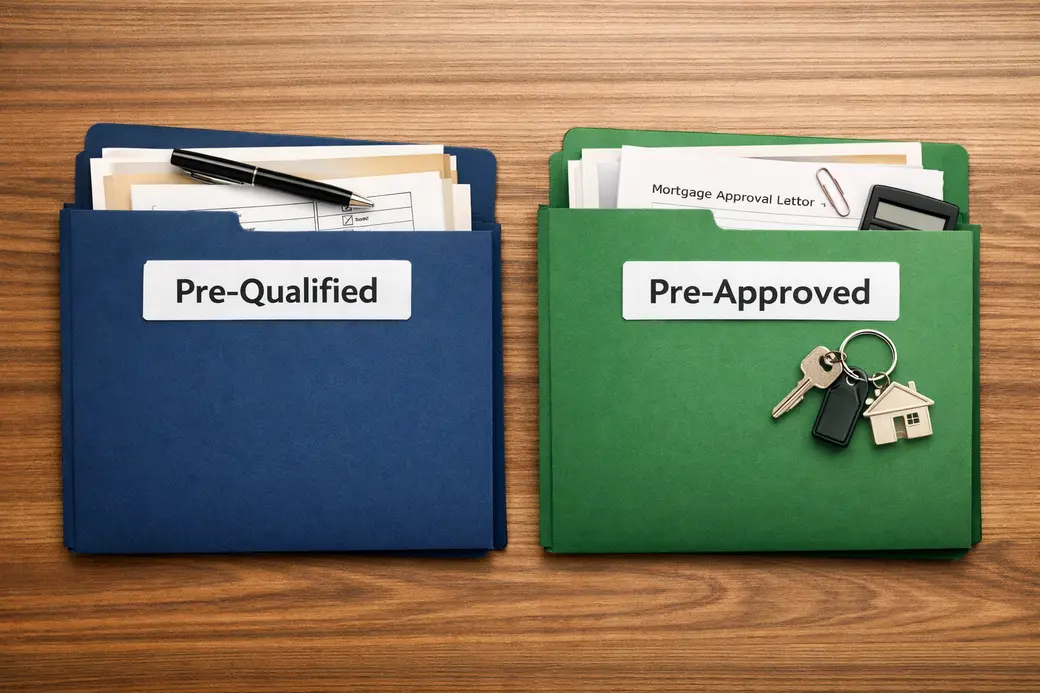
If you’re thinking about buying a home, you’ve probably heard the terms pre-qualified and pre-approved thrown around like they mean the same thing. They don’t. Understanding the difference can save you time, frustration, and disappointment once you start seriously house hunting.
I talk with buyers all the time who think they’re ready to make an offer, only to find out they’re not quite as prepared as they thought. So let’s break this down in plain English.
What Does It Mean to Be Pre-Qualified?
Being pre-qualified is usually the first conversation you have with a lender. You share some basic information: your income, your debts, and an estimate of your credit score. The lender then gives you a rough idea of what you might be able to afford.
Think of pre-qualification as a starting point. It’s helpful for getting your bearings, but it’s not a green light to go write an offer.
Why Pre-Qualification Can Be Misleading
Pre-qualification is based almost entirely on self-reported information. That means nothing has been verified yet. No documents. No credit pull. No deep dive.
So while it can feel reassuring to hear a number, that number can change quickly once the lender looks under the hood.
What Does It Mean to Be Pre-Approved?
Pre-approval is a much bigger step. This is where a lender actually verifies the information and documents you provide to them. They review pay stubs, tax returns, bank statements, credit history, and debts.
Once you’re pre-approved, you receive a letter stating the loan amount you’re approved for. This amount is backed by real documentation.
Why Pre-Approval Matters in Real Life
When a seller sees a pre-approval letter, they know you’re serious. It shows you’ve done the work upfront and that your financing is far less likely to fall apart mid-transaction.
Even in a buyer’s market, pre-approval gives you confidence. You know exactly what you can afford, what your payment looks like, and how far you can comfortably go when you find the right home.
Pre-Qualified vs Pre-Approved: The Key Differences
Here’s the simplest way to think about it:
-
Pre-Qualified: A rough estimate based on unverified information
-
Pre-Approved: A confirmed loan amount based on verified documents
One is a conversation. The other is preparation.
Why This Matters Before You Start Touring Homes
I’ve seen buyers fall in love with a home, only to find out later they weren’t truly approved for that price range. That’s not just disappointing, it’s avoidable.
Getting pre-approved before you seriously start looking helps you:
-
Shop with confidence
-
Avoid wasting time on homes that don’t fit
-
Move quickly when you find the right one
-
Reduce stress once you’re under contract
It also helps us, as your real estate team, guide you more effectively. We can tailor the search to what actually makes sense for your budget and your goals.
One other piece that often gets overlooked here is who you’re getting pre-approved with. A lender who understands the local market, timelines, and expectations can make a big difference once you’re under contract. Having someone responsive and familiar with how things work locally helps keep surprises to a minimum and the process moving smoothly.
Does Pre-Approval Lock You In?
No. And this is a big misconception.
Getting pre-approved doesn’t mean you’re obligated to buy a house or even use that lender. It simply means you’re prepared. You can still shop lenders later, adjust your budget, or decide to pause altogether.
Think of it like packing your bags before a trip. You may not leave the house that day, but when you’re ready, you’re not scrambling.
A Common Mistake I See Buyers Make
Some buyers wait until they find a house they love before talking seriously with a lender. By then, emotions are high and timelines are tight.
That’s when stress creeps in.
Getting pre-approved early keeps the process calm and predictable which is always the goal.
The Bottom Line
If you’re casually browsing homes, pre-qualification is fine, but if you’re serious about buying, pre-approval is the step that truly matters.
It’s one of the best ways to set yourself up for a smoother, more confident home-buying experience.
If you’re thinking about buying in Chattanooga and aren’t sure where to start, feel free to reach out. I’m always happy to help you get pointed in the right direction.
_____________________
FAQs
1. Can I tour homes if I’m only pre-qualified?
Yes, but it’s better to be pre-approved before getting serious. It helps avoid disappointment later.
2. How long does a pre-approval last?
Most pre-approvals are good for 60–90 days, depending on the lender.
3. Does getting pre-approved affect my credit?
Yes, it usually involves a credit check, but the impact is very minimal and temporary.
4. Can I get pre-approved with more than one lender?
Yes. Credit inquiries made with defferent mortgage lenders within a short window are typically treated as one for scoring purposes.
5. Should I get pre-approved before contacting a real estate agent?
You can do either first. A good agent can help connect you with trusted LOCAL lenders and guide you through the process.
6. Should I use a local lender or an online lender when buying a home?
There’s no one-size-fits-all answer, but many buyers find that working with a local lender makes the process smoother. Local lenders understand the Chattanooga market, local contract timelines, appraisal expectations, and common issues that come up in our area. They’re also easier to reach when questions or time-sensitive issues pop up.
Online lenders can work in some situations, but buyers sometimes run into challenges with communication delays, unfamiliarity with local norms, or last-minute surprises. Having a lender who knows the local market and is easily accessible can reduce stress and help keep things on track once you’re under contract.
Categories
- All Blogs 11
- buying 1
- Chattanooga Housing Market 5
- Chattanooga Real Estate 8
- Cleveland TN 3
- FHA Loans 1
- Home Selling 4
- Home Value 3
- How to sell your home fast 3
- investing 1
- Market Value 5
- Moving to Chattanooga 5
- Moving to Tennessee 4
- our team 1
- relocating 5
- Sell your home 4
- selling 1
- Things to do in Cleveland TN 1
- Zestimate 2
- Zillow 3
Recent Posts





GET MORE INFORMATION